- Stelcor
- Dec 8, 2025
- 3 min read
Sustainable construction is reshaping the building industry. Rising energy costs, climate challenges, and the demand for stronger, longer-lasting structures are driving a shift toward materials that reduce environmental impact and improve building performance. Eco-friendly building materials offer practical solutions for developers, engineers, and homeowners who want efficiency without compromising durability.
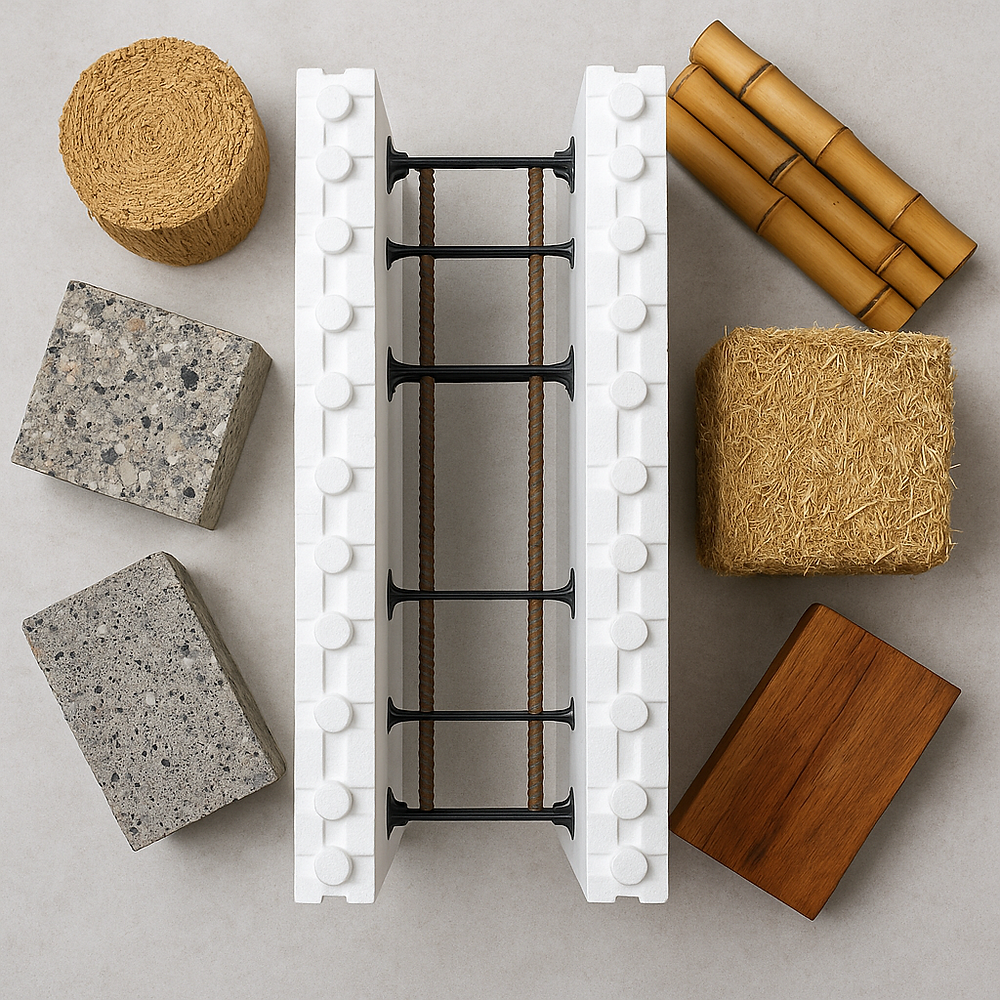
Eco-friendly building materials are products designed to reduce environmental impact by improving energy efficiency, lowering embodied carbon, and supporting long-term durability while using fewer natural resources. Examples include insulated concrete forms, recycled steel, reclaimed timber, engineered concrete, and natural building materials.
Why Eco-Friendly Building Materials Matter
The construction sector has a direct influence on energy use, waste generation, and natural resource consumption. Sustainable materials help reduce this impact and create buildings that:
- use less energy
- cost less to operate
- perform better over time
- require fewer repairs and replacements
- provide healthier indoor environments
use less energy
cost less to operate
perform better over time
require fewer repairs and replacements
provide healthier indoor environments
These benefits support global sustainability goals while improving the financial return of development projects.
What Defines a Sustainable Building Material
A material is considered sustainable when it delivers performance while minimizing environmental impact through the full lifecycle. Key factors include:
- Low embodied carbon from production and transport
- Durability and long material lifespan
- Recyclability at end of use
- Reduced waste output
- Energy performance once installed
- Efficient manufacturing processes
Low embodied carbon from production and transport
Durability and long material lifespan
Recyclability at end of use
Reduced waste output
Energy performance once installed
Efficient manufacturing processes
Sustainable building is not about one material, it is a design approach.
Insulated Concrete Forms (ICF)
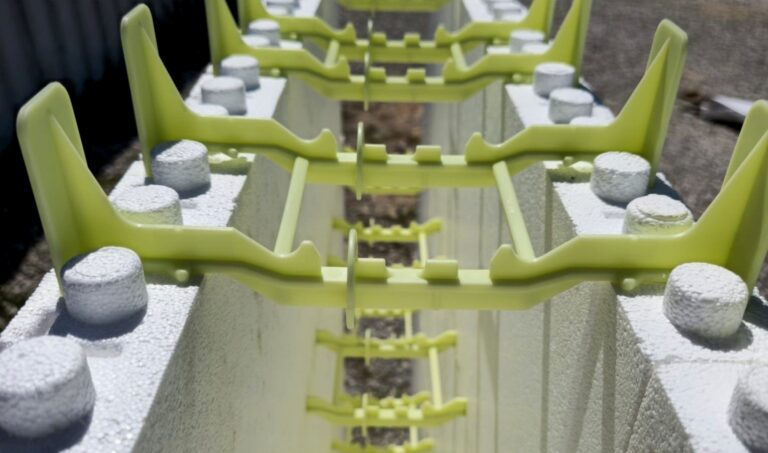
ICF combines a reinforced concrete core with continuous insulation for a building envelope that is stronger, more efficient, and more resilient than traditional systems.
Energy Performance and Efficiency
ICF structures create airtight walls with consistent insulation values. This can reduce heating and cooling energy use, especially in warm climates where cooling loads are high.
Strength and Durability
The concrete core provides stand-out structural performance. ICF is resistant to fire, moisture, wind loads, and storms, supporting long-term building reliability.
Advantages for Tropical Climates
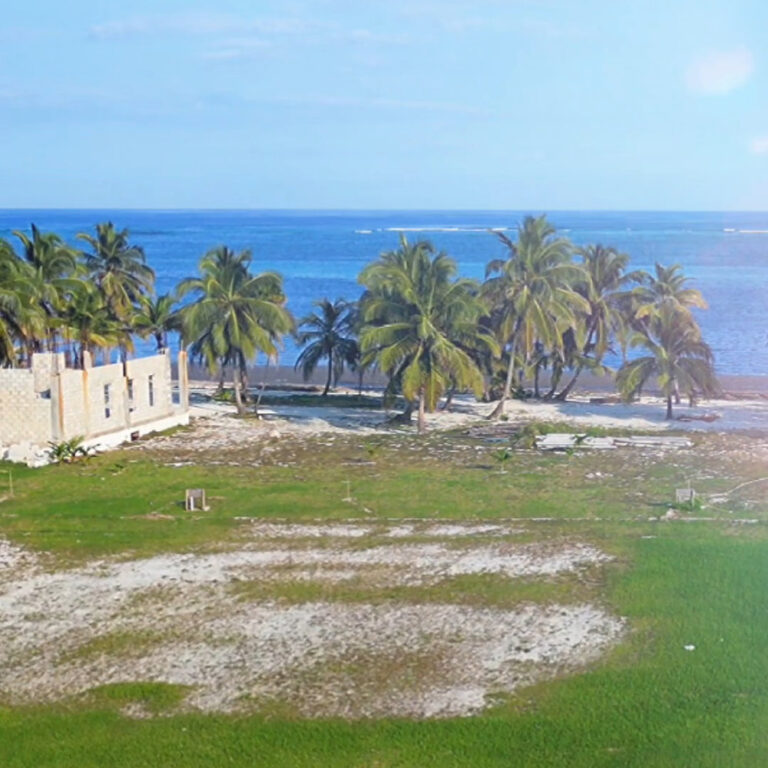
High temperature and humidity require materials that maintain structural integrity while managing interior climate effectively. ICF performs well in regions like Belize and across the Caribbean.
ICF and Sustainable Development
Reduced energy use and increased building lifespan directly support sustainable development goals. Modular forms also reduce on-site waste and speed up construction.
Recycled and Reclaimed Building Products
Recycled materials reduce the extraction of natural resources and keep waste out of landfills.
Examples of Recycled Materials
- Recycled steel
- Reclaimed timber
- Recycled concrete aggregate
- Composite boards made from plastics
- Glass and tile made from post-consumer waste
Recycled steel
Reclaimed timber
Recycled concrete aggregate
Composite boards made from plastics
Glass and tile made from post-consumer waste
Benefits of Using Reclaimed Materials
Reclaimed timber and reused architectural elements save material while adding unique design features. These products reduce the environmental footprint of a building.
Engineered Concrete and Protection Systems
Engineered concrete products improve structural performance while reducing material use.
Pre-Stressed and Structural Innovations
Pre-stressed systems provide high strength with reduced mass, saving resources while delivering superior load capacity.
Concrete Protection for Longevity
Surface protection systems extend the lifespan of concrete by reducing corrosion and water absorption, lowering maintenance costs and repairs.
Natural and Bio-Based Materials
Select natural materials contribute to ecological building practices when sourced responsibly.
Examples include:
- Bamboo
- Hemp-based panels
- Timber from managed forests
- Natural stone
Bamboo
Hemp-based panels
Timber from managed forests
Natural stone
They offer effective performance in specific applications.
Water Treatment and Eco-Infrastructure
Sustainable building includes water management. Modern treatment systems reduce strain on local ecosystems and help remote developments operate independently.
Solutions include:
- decentralized wastewater treatment systems
- on-site reuse cycles
- low-impact discharge systems
decentralized wastewater treatment systems
on-site reuse cycles
low-impact discharge systems
Integrating water treatment into early planning creates more resilient developments.
Choosing Materials for Energy and Cost Efficiency
Effective projects use a combination of materials:
- ICF for high performance
- recycled steel for structure
- engineered concrete systems
- local resources where possible
ICF for high performance
recycled steel for structure
engineered concrete systems
local resources where possible
Evaluating total lifecycle cost provides a clearer view than comparing upfront prices alone.
Why Local Manufacturing Builds Sustainable Communities
Local production reduces the environmental and financial cost of importing heavy building materials. It also keeps investment in local economies.
Environmental Benefits
- lower transportation emissions
- reduced packaging waste
- shorter supply chains
lower transportation emissions
reduced packaging waste
shorter supply chains
Economic and Social Impact
- local jobs
- skills training
- faster delivery times
- greater reliability during construction
local jobs
skills training
faster delivery times
greater reliability during construction
In Belize and the wider CARICOM region, local manufacturing makes advanced materials more accessible.
The Future of Sustainable Construction
The industry is moving toward resilient, efficient building systems. Key trends include:
- wider adoption of ICF
- expansion of eco-infrastructure
- increased use of recycled products
- stronger regional building codes
- local manufacturing hubs in emerging markets
wider adoption of ICF
expansion of eco-infrastructure
increased use of recycled products
stronger regional building codes
local manufacturing hubs in emerging markets
Building sustainably today prepares developments for the standards of tomorrow.
About Stelcor
Stelcor manufactures Insulated Concrete Forms in Belize and provides sustainable construction solutions for the CARICOM region. The company supports developers with modern building technology, including ICF systems, engineered concrete products, and water treatment solutions that meet international performance standards.
Tags:
- Building Solutions
- Insulated Concrete Form (ICF)
- Sustainable Building Solutions